
Why Is It Colder on Top of a Mountain?
Mountains are closer to the Sun than the ground below. So shouldn't the top of a mountain be warmer?
 Video landing soon!The bots are polishing this one. Scroll down for the full story.
The quick answer
Being a few miles closer to the Sun makes no difference: the Sun is about 93 million miles away. What matters is air pressure. High up there is less air pressing down, so air that rises spreads out, and air that spreads out cools.
How it works
A lot of air at the bottom
Air has weight. Near sea level you are at the bottom of a deep ocean of air, and all the air above you is pushing down. That push is called air pressure.
Less air up high
Climb a mountain and more of that air is below you instead of above you. With less air pushing down, the pressure is lower.
Rising air spreads out
When air moves up into lower pressure, it has room to expand. It spreads out like a crowd leaving a packed hallway.
Spreading out cools it down
Expanding takes energy, and the air pays for it with its own heat. So air that expands gets cooler.
Colder with every step up
That is why the temperature usually drops as you climb: on average about 3 to 5 degrees Fahrenheit for every 1,000 feet, though the exact amount changes from day to day.

Thunder Tidbits
- Mount Kilimanjaro in Africa sits close to the equator, one of the warmest parts of the planet, and it still has ice near its top.
- At the top of Mount Everest the air pressure is only about one third of what it is at sea level. That is why most climbers carry extra oxygen.
- Thinner air also holds on to less heat, so mountaintops cool off quickly once the Sun goes down.
Words to know
- Air pressure
- The push of all the air above you pressing down.
- Elevation
- How high a place is above sea level.
- Expand
- To spread out and take up more space.
- Atmosphere
- The layer of air wrapped around a planet.
- Summit
- The very top of a mountain.
Try it: Feel air cool as it expands
Hold your hand close to your mouth and breathe out slowly with your mouth wide open. Warm, right? Now pucker your lips and blow hard through a tiny opening. The air feels cooler. Part of the reason is that the squeezed air spreads out fast as it leaves your lips, a little like air expanding as it rises up a mountain.
Stay safe
Heading up a mountain? Pack extra layers even on a warm day. It can be much colder and windier at the top than where you started, and the weather can change quickly.
Quiz yourself
Say your answer out loud, then tap to check.
Is a mountaintop warmer because it is closer to the Sun?
No. The Sun is so far away that a few miles make no difference.
What happens to air when it rises into lower pressure?
It expands, and expanding air cools.
About how much does the temperature drop for every 1,000 feet you climb?
Around 3 to 5 degrees Fahrenheit on average.
For grown-ups: where the facts come from
Keep exploring
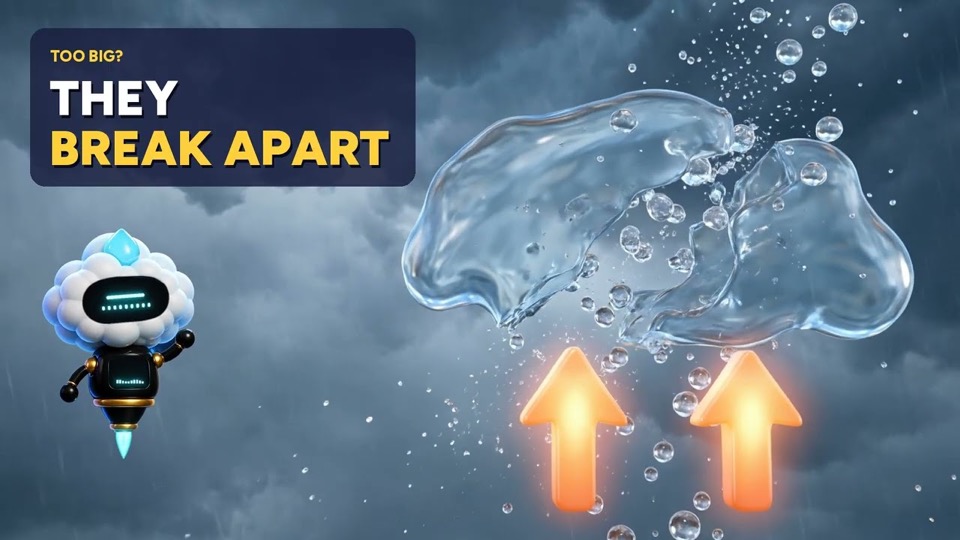 Video landing soon
Are Raindrops Really Shaped Like Teardrops?
If you draw a raindrop, you probably make it round on the bottom and pointy on top. Is that what real raindrops look like?
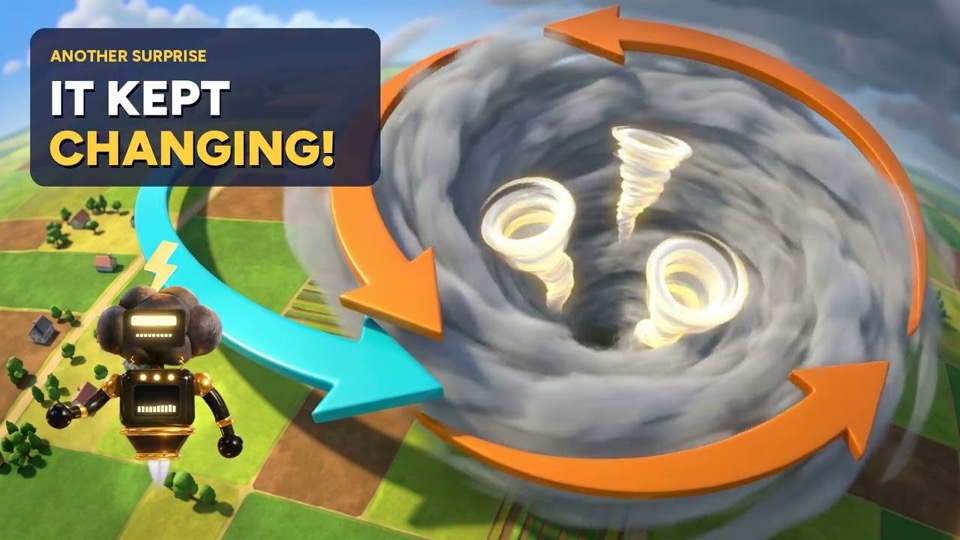 Video landing soon
The Widest Tornado Ever Recorded: El Reno 2013
Imagine a tornado so wide that you could drive for minutes and still be beside it.
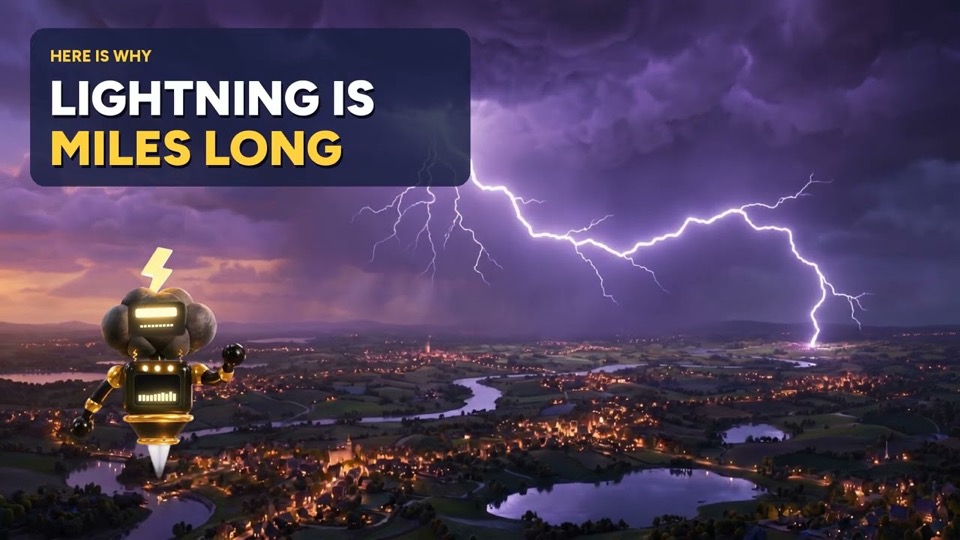 Video landing soon
Why Does Thunder Boom?
Lightning flashes. A few seconds later: BOOM! What just happened?